Maldives or Seychelles in February?
On climate data, Maldives comes out ahead overall in February. See the per-criterion details below.
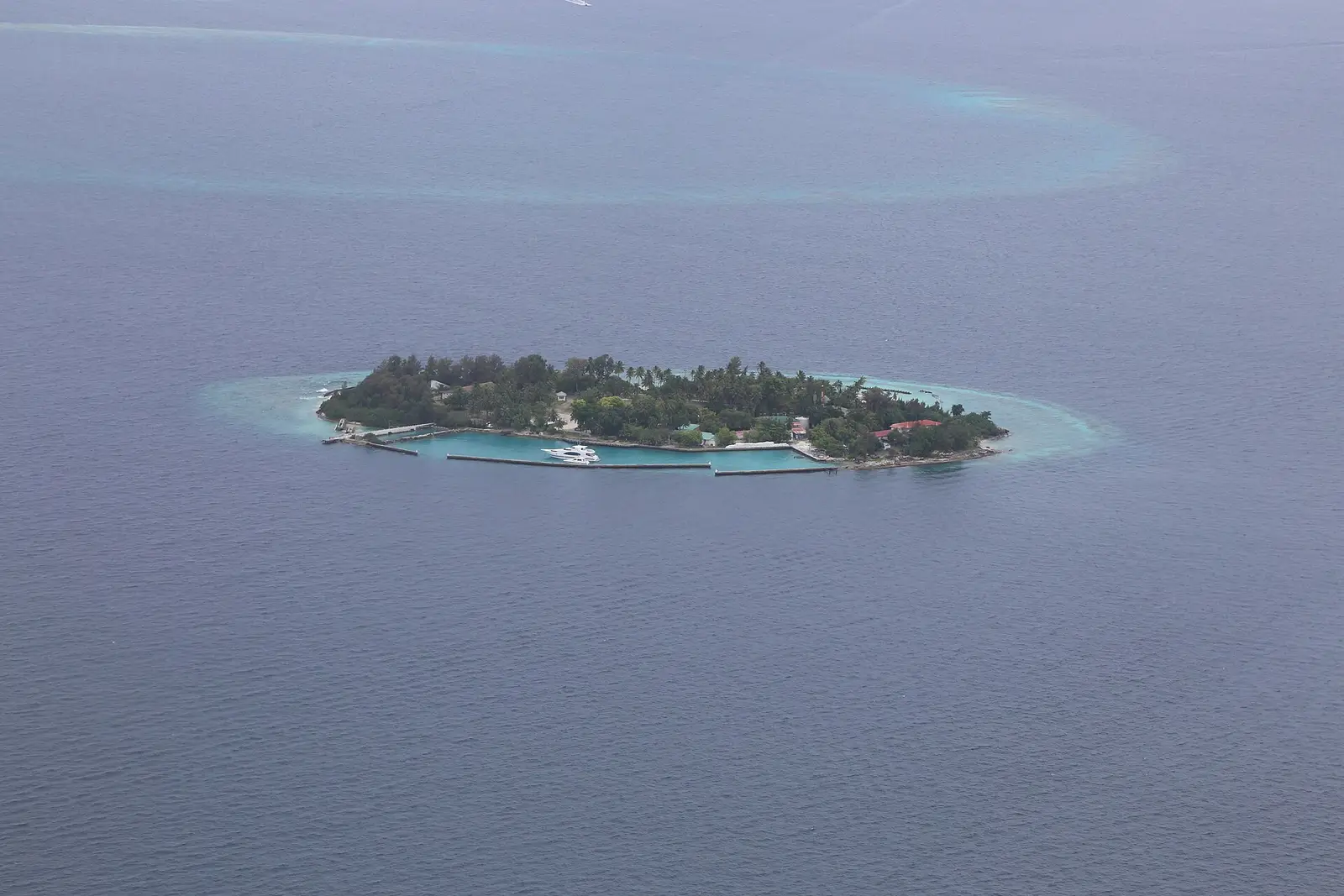 MaldivesPhoto: Mekzholan · CC BY-SA 4.0
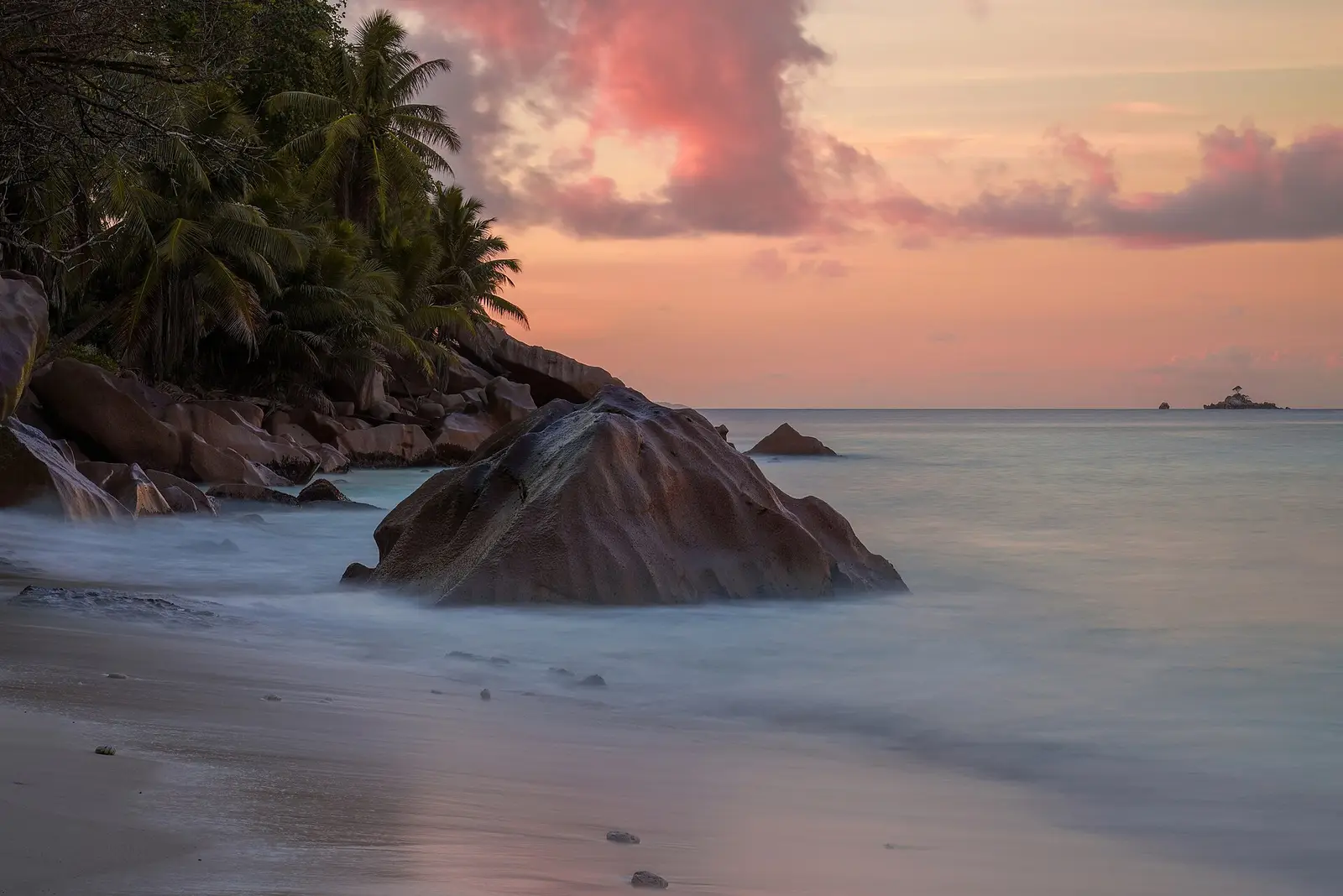 SeychellesPhoto: Giles Laurent · CC BY-SA 4.0
Key figures in February
| Criterion | Maldives | Seychelles |
|---|---|---|
| Average daily high | 28 °C | 28 °C |
| Average daily low | 27 °C | 27 °C |
| Sea | 28 °C | 29 °C ★ |
| Rainy days | 8 rainy days (est.) ★ | 17 rainy days (est.) |
| Sun | 8 h/day | 8 h/day |
| Humidity | 78 % | 80 % |
Winner by travel type
Trade-offs
- Maldives is drier, with about 10 fewer rainy days.
Maldives or Seychelles in February: the short answer
In February, Maldives comes out ahead on the overall climate score (Maldives 81/100 vs Seychelles 64/100). That is a snapshot of one month, though — which one truly fits depends on what you want from the trip, so the breakdown below goes criterion by criterion.
This comparison focuses on February as a representative month for the pair; for any other month, use each destination's month-by-month pages. Across the whole year Maldives averages a climate score of 64/100, Seychelles 66/100. Both profiles below are historical monthly averages, not a forecast.
Weather in February, side by side
The average daily high is about 28 °C in Maldives and 28 °C in Seychelles — about the same. Average daily lows are around 27 °C versus 27 °C.
On rain, Maldives sees about 8 rainy days in February and Seychelles about 17 — drier in Maldives. Sunshine is comparable (8 vs 8 hours a day).
Sea temperature and swimming
In February the water is about 28 °C at Maldives and 29 °C at Seychelles — warmer for swimming at Seychelles. Over the year, Maldives is comfortable for swimming (from ~21 °C) in January, February, March, April, May, June, July, August, September, October, November and December, Seychelles in January, February, March, April, May, June, July, August, September, October, November and December. Peak sea warmth is April for Maldives and April for Seychelles.
Rain and sun across the year
Over a full year Maldives records roughly 228 rainy days and Seychelles about 213 — the drier of the two overall is Seychelles. At their sunniest, Maldives reaches about 8 hours of sun a day (March) and Seychelles about 8 (March). If dependable dry, sunny weather is your top priority, weigh these annual totals alongside the single month above.
Best time to visit each
Climatically, Maldives is at its best in January, February, March and December, while Seychelles peaks in June, July, August and September. If your dates are fixed, pick the destination whose strong season overlaps them; if you are flexible, plan around these windows.
Which suits which kind of trip
Based on the February scores for each travel style:
Beach & swimming: Maldives scores higher in February (Maldives 88 vs Seychelles 75).
City breaks: Maldives scores higher in February (Maldives 82 vs Seychelles 61).
Active & hiking: Maldives scores higher in February (Maldives 65 vs Seychelles 45).
Family: Maldives scores higher in February (Maldives 85 vs Seychelles 67).
Verdict: which should you pick?
In February, Maldives leads across every scored category here — the overall score and each travel type — so on the climate data it is the clearer pick this month. Over the year, Seychelles carries the higher overall climate score. Your own priority (sun, sea, low rain or sightseeing comfort) still matters, and the month-by-month pages for each destination give you the full picture before you book.